
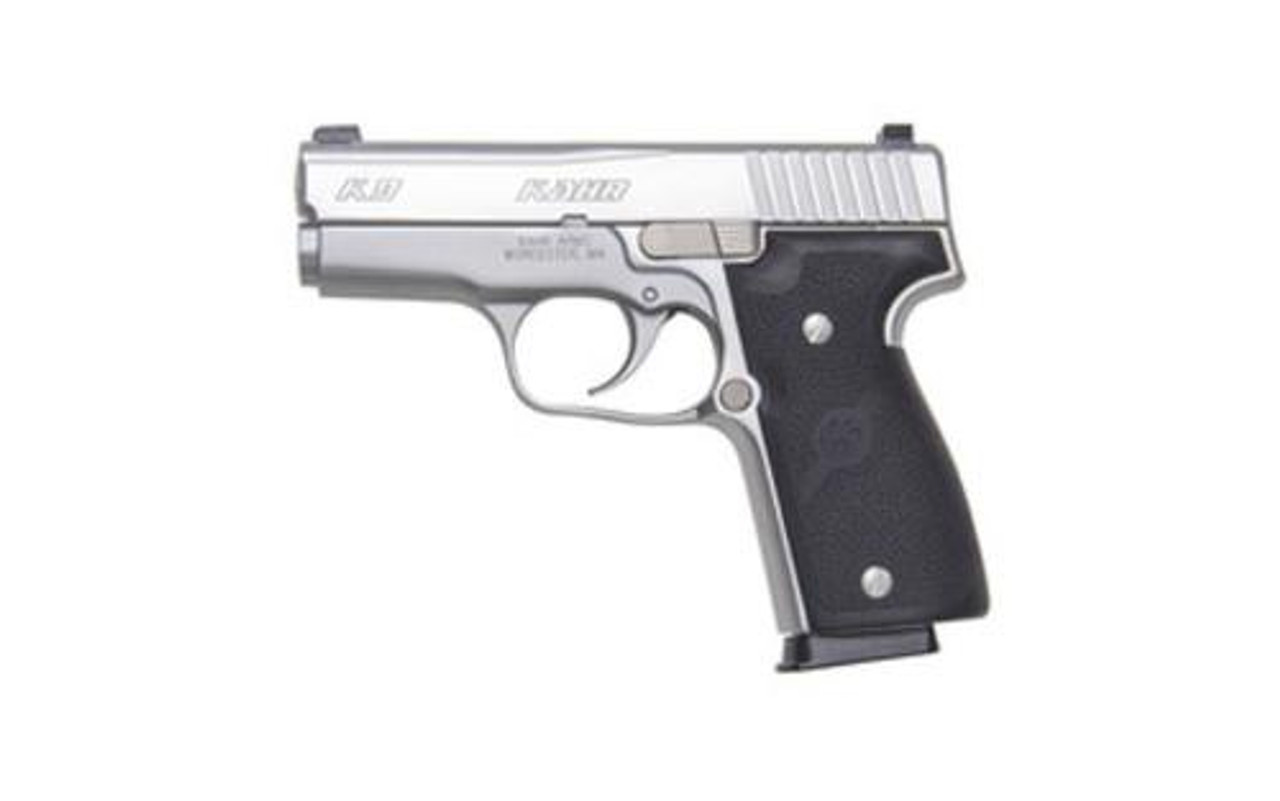
Firearms Maintenance Jobs: A Real Career Path
A single speck of unburned powder lodged in a striker channel can cause a Glock 19 to go click instead of bang. That’s the level of detail this trade demands. Firearms maintenance isn’t just a hobby; it’s a skilled profession built on precision, patience, and a deep understanding of mechanical systems. If you can detail-strip a 1911 without a manual, you already have the foundation.
Gunsmithing: The Core Trade
Gunsmithing is the cornerstone profession. This isn’t assembly-line work. A certified gunsmith diagnoses malfunctions, performs accurizing, fits barrels, does metal finishing, and handles complex repairs like retiming a Colt Python’s action or re-headspacing a Remington 700. The work requires specific tools—a good set of pin punches, a bench vise with non-marring jaws, and specialized jigs for tasks like drilling and tapping for optic mounts. Formal training from schools like the Colorado School of Trades or Pennsylvania Gunsmith School provides a structured foundation, but many successful smiths are journeymen who apprenticed under a master. The job pays based on skill and reputation; a basic sight installation might be $50, while building a custom precision rifle can run into thousands.
Armorer Roles: Maintaining Fleets
An armorer maintains a specific fleet of firearms for an organization. Law enforcement armorers ensure duty weapons like the Smith & Wesson M&P 2.0 or Glock 17 are serviced on a strict schedule, replacing worn springs and inspecting for cracks. Military armorers maintain everything from M4 carbines to M240 machine guns, following detailed technical manuals (TMs). Corporate ranges and training facilities employ armorers to manage their rental fleets, which see extreme round counts. This role is less about custom work and more about systematic inspection, preventive maintenance, and parts replacement. You need to know the lifecycle of every component; for example, a Gen 3 Glock recoil spring assembly should be swapped every 5,000 rounds. Reliability is the only metric that matters here.

Retail & Sales with Technical Expertise
The counter at a serious gun store isn’t for clerks; it’s for technicians who can sell. This job blends customer service with diagnostic skill. A customer brings in a Mossberg 500 that fails to eject. You need to ask the right questions, field-strip it on the counter, identify a worn extractor, and sell them the correct OEM part. You’ll also perform basic services like cleaning, lubrication, and sight adjustments. Knowledge of products is critical. When someone asks about the difference in maintenance between a direct-impingement AR-15 and a piston-driven model like the PWS Mk116, you need a concrete answer about carbon buildup and cleaning intervals. Stores like Americans Gun value staff who can explain why a Thompson Center Sure Fire Sabot is specific to muzzleloader performance, not just ring up a sale.

Manufacturing & Quality Control
On the factory floor, maintenance knowledge is applied proactively. Quality Control (QC) inspectors are the last line of defense before a firearm ships. They perform function checks, gauge critical dimensions, and proof test samples from a production run. A QC inspector for Ruger might check the sear engagement on every 10th Ruger Mark IV off the line using a .224 gauge pin. Assembly technicians need to understand how each part they install affects the whole system; torquing a barrel nut on an AR-upper to 35 ft-lbs versus 50 ft-lbs has a direct impact on accuracy and longevity. These roles require consistency, adherence to specifications, and an eye for defects the average shooter would miss.
Building a Career: Certifications and Tools
You don’t get hired on opinion. Credentials matter. The American Gunsmithing Institute (AGI) offers certifications. Manufacturer-specific armorer courses from Glock, SIG Sauer, and Smith & Wesson are gold on a resume and often required for certain jobs. Your tool investment starts at around $2,000 for basics: quality screwdrivers, bench blocks, a ultrasonic cleaner, and a decent micrometer. Specialization pays. Becoming an expert in restoring vintage Winchester lever-actions or customizing 10/22 rifles can carve out a lucrative niche. Networking is done at trade shows and through distributors. A reliable source for parts is crucial, which is why professionals often have accounts with suppliers like Americans Gun to get specific components like a Thompson Center Pro-Hunter breech plug or NAA .22 caliber caps.

What’s the best way to start a career in firearms maintenance?
Get hands-on. Take apart, clean, and reassemble every firearm you can access. Start with a simple .22 like a Ruger 10/22, then move to a Glock, then a 1911. Enroll in a manufacturer’s armorer course (Glock’s is a great first step). Secure an apprenticeship with a local gunsmith, even if it’s unpaid initially. The experience is the credential.
Do I need a Federal Firearms License (FFL) for these jobs?
If you’re performing gunsmithing services for the public, including taking possession of firearms for repair, you need an FFL Type 01 (Dealer) or Type 07 (Manufacturer). Employees of an existing FFL holder (like a store or manufacturer) do not need their own license to perform maintenance under that entity’s license. Always consult ATF regulations directly.
What’s a common mistake new armorers make?
Over-lubrication. Drowning a firearm in oil attracts grit and creates a paste that accelerates wear. Modern synthetic lubricants like Slip 2000 EWL or grease like TW25B are applied sparingly to friction points only—the rails on a semi-auto pistol, the bolt lugs on a rifle. A light coat is sufficient; if it’s dripping, you’ve used ten times too much.
Browse our firearms collection
Last updated: April 04, 2026