
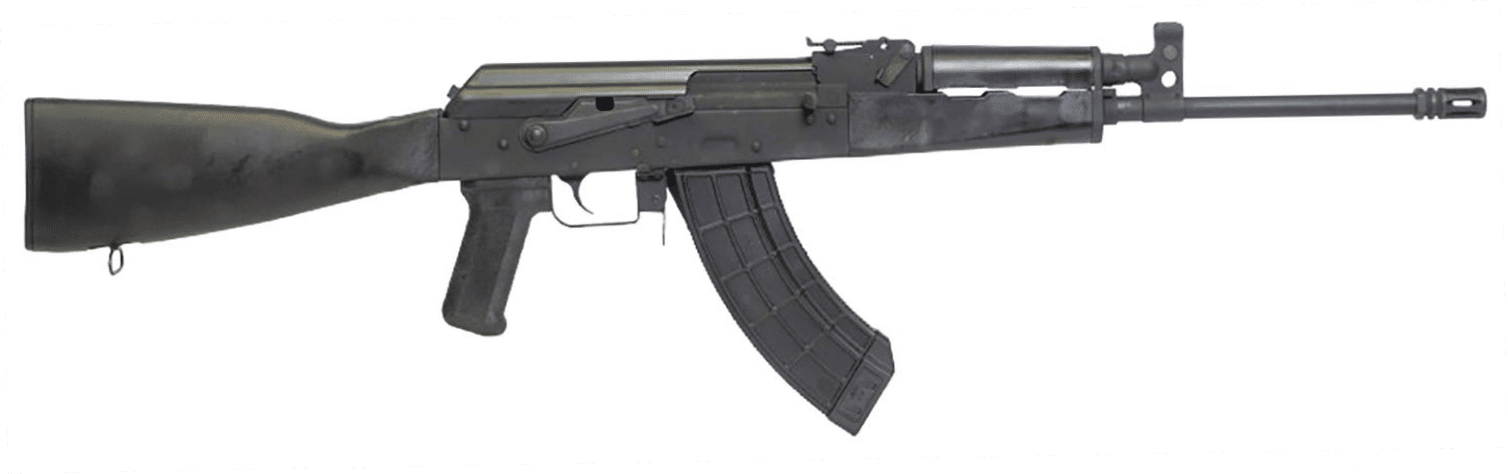
Essential Firearms Maintenance Kit Guide
A neglected AR-15 bolt carrier group after 500 rounds of cheap steel-case ammo is a perfect lesson in why you need a proper kit. That gritty, carbon-fused mess isn’t just dirty—it’s a reliability failure waiting to happen. A real maintenance kit isn’t a collection of random rags and oil; it’s a curated set of purpose-built tools that let you perform correct procedures, from a basic field strip to diagnosing headspace.
The Core Components: Non-Negotiables
Every kit needs a foundation. Start with a quality set of brass or nylon gunsmithing punches. Using a steel punch on a roll pin can flare it and ruin your frame. You need a solid armorer’s wrench that fits your specific platforms—Mil-Spec castle nuts, barrel nuts for your AR, and choke tubes if you run shotguns. A set of hollow-ground screwdrivers is mandatory; using a standard Phillips on firearm screws will strip them. For cleaning, get a one-piece carbon fiber cleaning rod. Segmented rods can introduce misalignment and damage your crown. You’ll need caliber-specific bronze brushes, jag tips, and quality patches. I keep a bottle of CLP for general use and a dedicated copper solvent like Barnes CR-10 for barrel cleaning. A pack of Thompson Center Sure Fire Sabots reminds us that muzzleloader owners have specific needs, and your kit should reflect your firearms.
Specialized Tools for Specific Firearms
A generic kit fails when you face a specialized firearm. Maintaining a 1911 requires specific tools like a slide stop pin punch and a recoil spring plug compressor. For modern striker-fired pistols like Glocks, a front sight tool and a slave pin for trigger assemblies are key. Revolver owners need a cylinder crane alignment tool and a quality set of feeler gauges for checking barrel-cylinder gap. Rimfire enthusiasts, especially those with a Ruger Mark IV 22/45 Lite, must have nylon brushes and picks to clear lead fouling from the chamber without damaging it. For muzzleloaders, a proper nipple wrench and a breech plug tool, like the Thompson Center Pro-Hunter Triumph And Endeavor Breech Plug O-Ring, are essential for safe disassembly. Your kit should evolve with your collection.

Lubricants, Solvents, and Protectants: Know the Difference
Using the wrong chemical can damage your firearm. CLP (Cleaner, Lubricant, Protectant) is a good all-in-one for field use, but for a detailed clean, you need dedicated products. A petroleum-based solvent like Hoppe’s No. 9 breaks down powder fouling and copper. Follow it with a copper-removing solvent, letting it soak for the time specified on the bottle—usually 15-30 minutes. Lubrication is not about drowning parts in oil. Use a light grease like TW25B on slide rails, bolt lugs, and sear surfaces where metal slides on metal. Use a lighter oil like Break-Free LP for pivot points and springs. For long-term storage, a protectant like Rig Rag or a silicone cloth is better than oil, which can gum up. Always check if a product is safe for nickel or polymer finishes.

Building Your Kit vs. Buying Pre-Made
Pre-assembled kits from brands like Real Avid or Wheeler are a decent starting point, especially for a new owner of a common platform like an AR-15. They often include a mat, basic tools, and generic chemicals. However, they frequently lack the specialized tools you’ll need as your collection grows. Building your own kit lets you select higher-quality, specific items. For instance, instead of a multi-tool armorer’s wrench, you might buy a dedicated Reaction Rod for barrel work. Instead of a kit with .22 to .45 brushes, you might buy premium Dewey rods and jags for your specific calibers. Start with a pre-made kit for the basics, then immediately supplement it with the right tools for your firearms. Americans Gun carries the specific parts, like a Thompson Center breech plug o-ring, that turn a generic kit into a professional one.

Maintenance Schedule and Procedure
Maintenance isn’t just about round count; it’s about conditions. A pistol carried daily in a leather holster needs its exterior wiped down weekly to remove sweat and lint, even if unfired. After any range session, run a bore snake with a light coat of CLP through the barrel. A full clean and lube is required every 500 rounds for centerfire, or every 200 rounds for .22 LR due to lead fouling. The procedure matters: always clean from the chamber to the muzzle. Disassemble to the level recommended in your manual. For an AR-15, that’s typically removing the bolt carrier group and charging handle. Scrub the chamber and bore with a solvent-wet bronze brush, then follow with patches until they come out clean. Inspect parts for unusual wear—cracking on extractor claws, peening on bolt lugs. Apply lubricant to the points specified in your manual, not everywhere. A well-maintained firearm from our Semi Auto Pistols collection will outlast its owner.
How often should I clean my firearm if I don’t shoot it?
Even if unfired, a firearm stored in a safe should be inspected and lightly oiled every 3-6 months to prevent surface rust, especially in humid climates. A carry gun exposed to body sweat should be wiped down with a silicone cloth weekly.
Can I use WD-40 on my gun?
No. WD-40 is a water displacer and light penetrant, not a lubricant. It will attract dust and gum up over time, potentially causing malfunctions. Use proper gun-specific lubricants and protectants.
What’s the one tool most people forget in their kit?
A good flashlight or headlamp. Proper inspection of a bore, firing pin channel, or trigger group requires direct, bright light. You can’t clean or diagnose what you can’t see clearly.
Browse our firearms collection
Last updated: April 06, 2026