Thread Protectors Explained: Sizes, Fitment and Why Your Threaded Barrel Needs One
Thread Protectors Explained: Sizes, Fitment and Why Your Threaded Barrel Needs One
A thread protector is the least expensive part on a threaded pistol barrel and the one that saves the most expensive repair. This short guide covers what it does, how to pick the right thread pitch, and why keeping a spare makes sense.
What a thread protector actually does
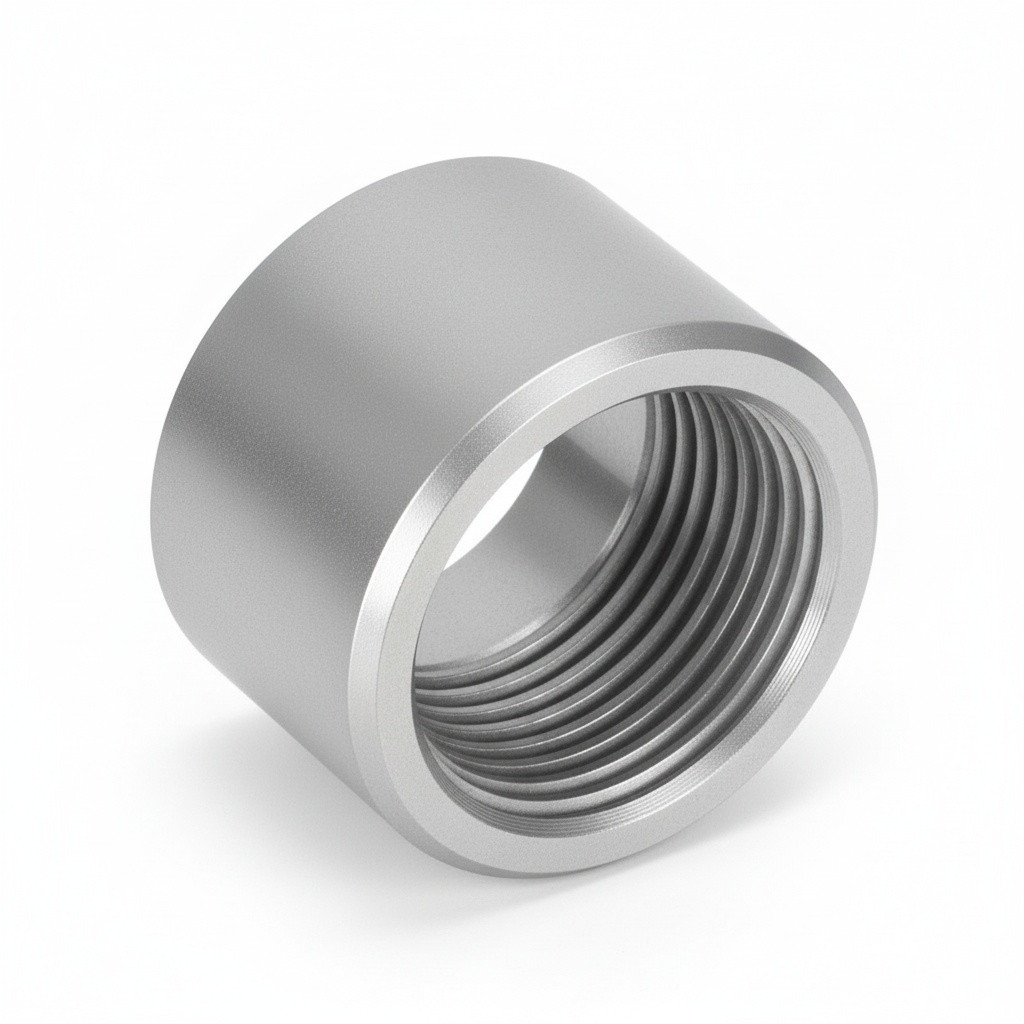
Muzzle threads are fine-pitch and easily damaged. A drop on concrete, a holster with debris in it, or simple fouling buildup can flatten or gunk the first thread — and a suppressor that won't spin on straight is a range day over. The protector is a knurled cap that lives on the threads whenever a muzzle device doesn't, taking the abuse the threads would otherwise absorb. Options like the Combat Armory 1/2x28 protector in black include a coil that keeps tension on the cap so recoil doesn't walk it loose.
Getting the thread pitch right
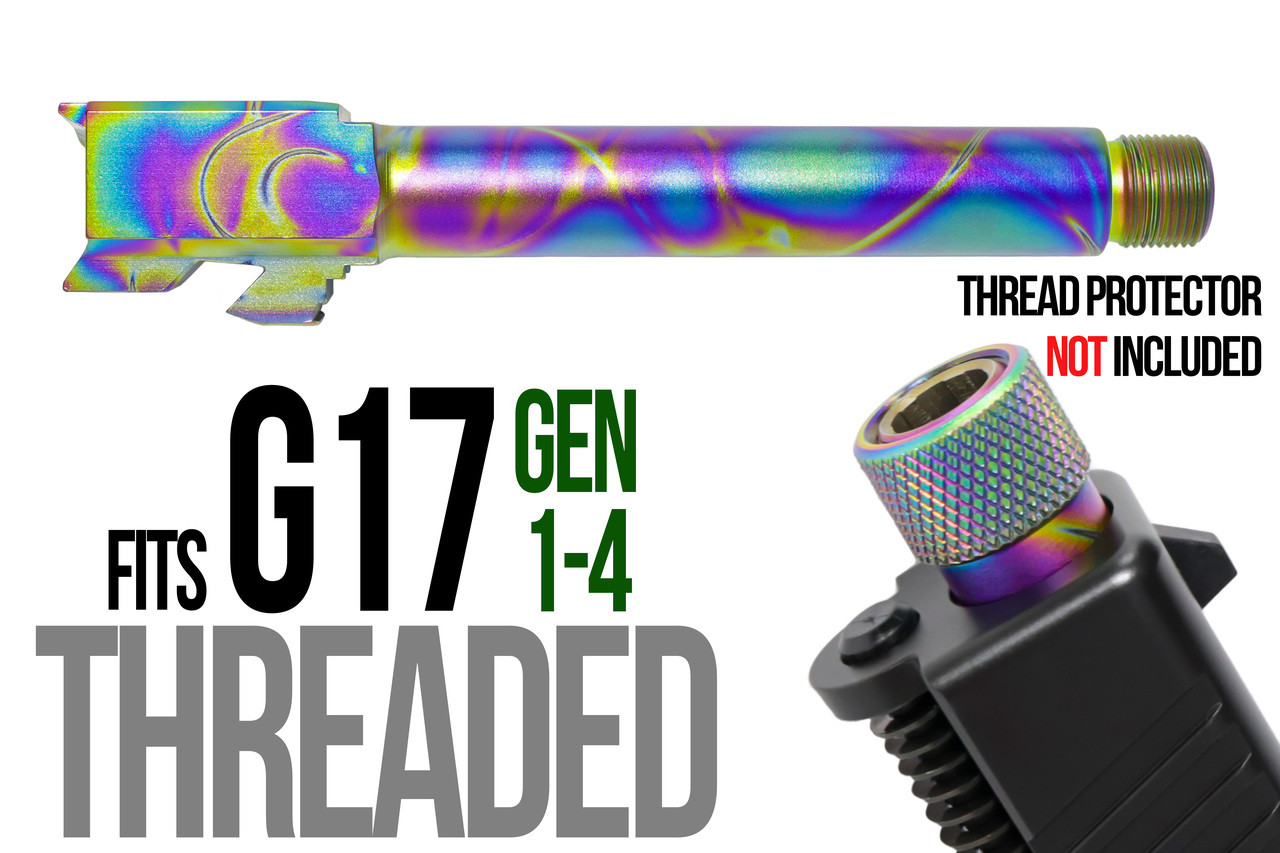
Pistol thread protectors are sized by thread specification, not caliber alone. The dominant specs are simple to remember: 1/2x28 covers 9mm and .357 SIG barrels (and rimfire), while .40 and .45 barrels use larger pitches like 9/16x24 and .578x28. Every Combat Armory threaded barrel lists its pitch on the product page — match the protector to that spec exactly. A protector that threads on with resistance is the wrong pitch; forcing it damages the threads it exists to protect.
Matching the look
Because the protector is the only visible hint that a barrel is threaded, Combat Armory machines them in the same PVD finishes as the barrel line — gold, copper, naked stainless, black and more — so a gold barrel doesn't wear a mismatched cap. It is a small detail that finishes a build properly.
Why you should own two
Thread protectors are the most-lost small part in pistol shooting. They get set on a bench during suppressor sessions, left in range bags, and dropped in gravel. At the price point, ordering a spare with every threaded barrel is cheap insurance — and if you rotate one barrel between suppressed and unsuppressed use, a second protector means one always lives in the case.
Installation notes
Thread the protector on hand-tight; no tools, no thread locker on aluminum or stainless caps. Check it during shooting sessions the way you check optic screws — recoil loosens everything eventually, which is exactly what coil-tension designs exist to fight. Clean the threads when you clean the barrel, and the protector will do its quiet job for the life of the gun.
The full range of pitches and finishes — sixty-plus combinations — is in the thread protector category, each listing the barrels it matches.