
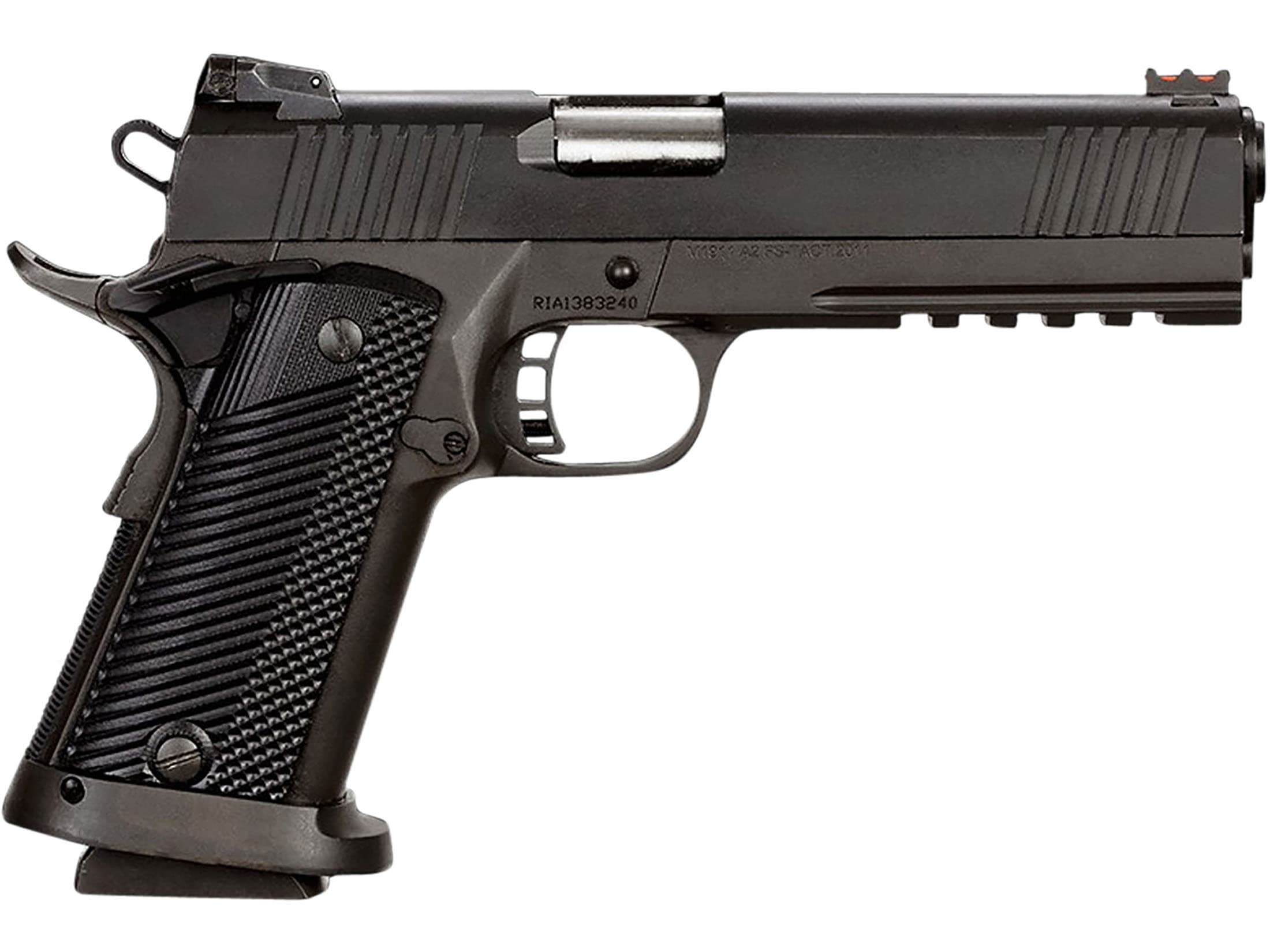
Boston Firearms Safety: Your First Step
Massachusetts law requires a Firearms Safety Course certificate just to apply for a License to Carry (LTC) or FID card. This isn’t a suggestion; it’s a mandatory 4-hour classroom block covering state law, safe handling, and storage. Getting it done right is the only way to start your journey as a lawful gun owner in the Commonwealth.
What the MA Basic Firearms Safety Course Covers
The state-approved curriculum is standardized. You’ll spend four hours in a classroom, no live fire required for the basic certificate. Instructors will drill into the core rules: treat every firearm as if it’s loaded, keep your finger off the trigger until ready to shoot, and never point the muzzle at anything you’re not willing to destroy. They’ll break down Massachusetts’ complex laws on transportation—firearms must be unloaded and in a locked case, separate from ammunition—and storage requirements. You’ll also get a primer on different action types, from the simple operation of a Ruger Mark IV semi-auto pistol to the mechanics of a break-action shotgun. The goal is to ensure you understand both the responsibility and the legal framework before you ever handle a gun.
Choosing the Right Instructor and School
Not all courses are created equal. You need an instructor certified by the Massachusetts State Police. Look for established schools like Mass Firearms School in Holliston or The Gun Parlor in Worcester, which also serve the Boston metro area. Read reviews and ask about class size; a smaller student-to-instructor ratio means more personalized attention. A good instructor won’t just read slides; they’ll use real-world examples, demonstrate clearing procedures with dummy rounds, and answer specific questions about Boston licensing quirks. Some schools offer the course bundled with live-fire range time, which is invaluable practical experience. Check if they provide the official certificate on the spot, as you’ll need it for your application packet.

Beyond the Certificate: Practical Skills You Need
The state course is a legal minimum, not the finish line. Real competency starts after you get your LTC. Seek out hands-on training. Find a range that offers beginner pistol or rifle courses where you’ll learn proper stance, grip, sight alignment, and trigger control. Dry-fire practice at home with an absolutely verified empty firearm is one of the best ways to build muscle memory safely. Understanding maintenance is also critical; knowing how to field-strip, clean, and lubricate your firearm, whether it’s a modern semi-auto or a muzzleloader needing a specific breech plug, prevents malfunctions. This is where your investment in safety pays off, building the confidence that comes from skill, not just a piece of paper.

Gearing Up Safely After Your Course
Once certified, you’ll be ready to make informed purchases. Start with the right safety gear: high-quality hearing protection (electronic muffs are a game-changer) and wrap-around safety glasses. A sturdy, lockable storage solution is a legal and moral necessity. When selecting your first firearm, consider a .22 LR pistol like the Ruger Mark IV for low-cost, low-recoil practice. For home defense, a 12-gauge shotgun or a 9mm pistol from our handguns collection are common choices, but training dictates effectiveness. Always pair the firearm with a proper cleaning kit and quality ammunition. Remember, the gear you buy at Americans Gun is only as safe as the person using it.

FAQ: Boston Firearms Safety Courses
Where can I take a firearm safety course?
You must take a course from a Massachusetts State Police Certified Instructor. Schools like Mass Firearms School in Holliston, The Gun Parlor in Worcester, and Boston Firearms in Everett offer the state-mandated course. Many local gun clubs and ranges also host certified instructors; check their websites for schedules.
How much is a firearms safety course?
Expect to pay between $100 and $150 for the standard 4-hour Massachusetts Basic Firearms Safety Course. Some schools charge more for bundled packages that include live-fire range time or additional training materials. The fee typically covers the classroom instruction and your official certificate of completion.
Browse our firearms collection
Last updated: April 01, 2026