AR-15 Lower Receiver Build Basics: Stripped Lowers, Parts Kits and What Ships to Your FFL
AR-15 Lower Receiver Build Basics: Stripped Lowers, Parts Kits and What Ships to Your FFL
Building an AR-15 from the lower up remains the best education in how the platform works, and Combat Armory's receiver and parts line keeps the cost sane. This guide covers what ships where, what a first build needs, and the assembly points that trip up new builders. Start browsing in the lowers category.
What transfers through an FFL
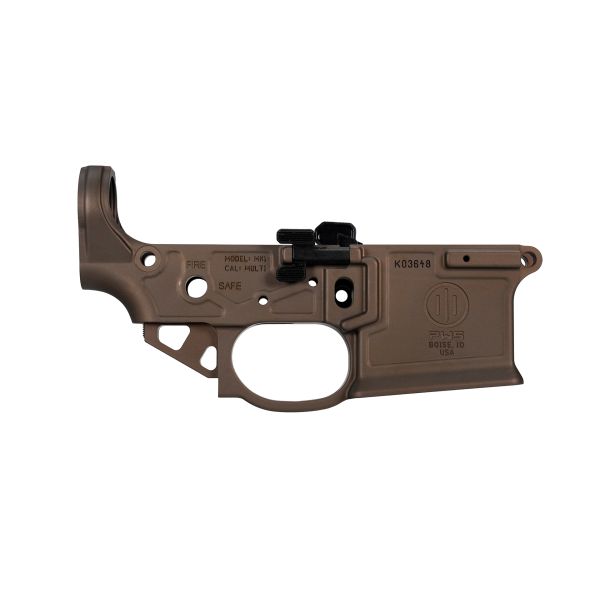
The serialized lower receiver is the firearm in the eyes of federal law — stripped or complete, it ships to a licensed FFL dealer who runs the standard transfer paperwork, and you must meet the age and eligibility rules for a rifle receiver purchase. Everything else — parts kits, uppers, barrels, stocks, springs — ships directly to your door. Complete pistols and rifles like the Combat Armory AR-15 5.56 pistol build transfer through your dealer as complete firearms.
The three-box build
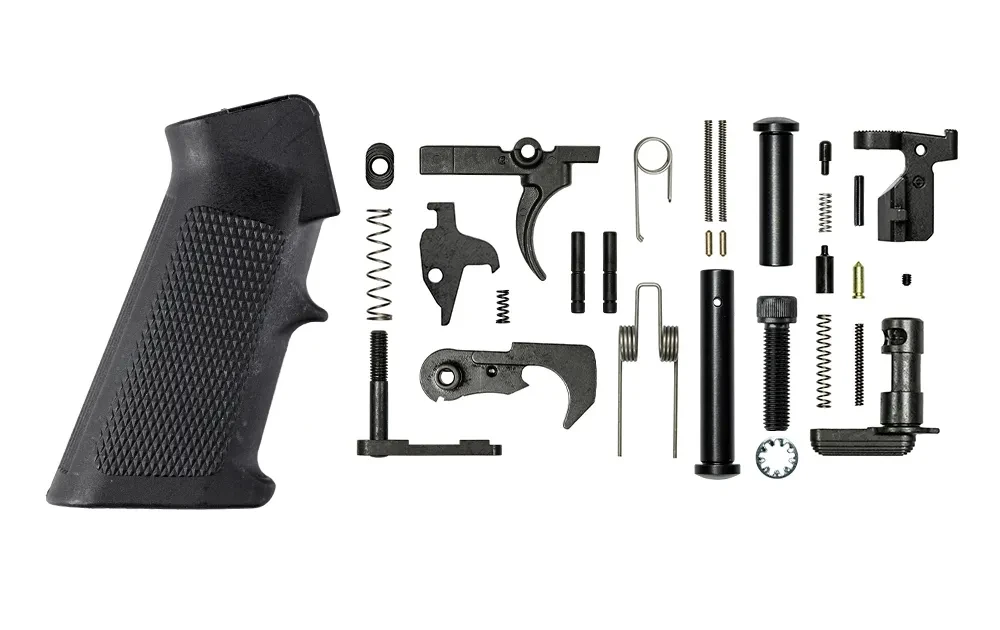
A functioning rifle needs exactly three purchases beyond the stripped lower: a lower parts kit (fire control group, springs, pins, detents, controls), a buffer system (receiver extension, buffer, spring, stock or brace hardware), and a complete upper. The Combat Armory mil-spec lower parts kits cover the first box for both AR-15 and AR-10 patterns — and note those two are not interchangeable: AR-10 lowers need AR-10 parts kits and buffer components.
Caliber comes from the upper
The lower doesn't care what caliber the rifle shoots — a standard AR-15 lower runs 5.56, 300 Blackout, and any other cartridge built on the same bolt face and magazine. That is the platform's quiet superpower: one transferred receiver, multiple uppers. A 5.56 carbine today can wear a 300 Blackout upper tomorrow with a magazine swap.
Assembly realities
Lower assembly needs a punch set, a vise block and patience. The three famous part-launchers are the takedown detents, the bolt catch roll pin and the buffer retaining pin — order spares of each with the build, because they cost pennies and one carpeted floor can eat an evening. Torque the receiver extension castle nut properly and stake it; a loose castle nut is the most common home-build failure.
Pistol or rifle — decide before you build
Barrel length and the stock-versus-brace question carry legal weight under federal law, and configuration rules should be understood before parts are ordered, not after. Build the configuration you researched, and when in doubt, a 16-inch barrel with a rifle stock is the configuration with no complications.
Receivers, kits and complete guns are all stocked in the lowers section — machined in the USA with the mil-spec dimensions that make cross-brand builds work.